what should my numbers be for gestational diabetes Diabetes gestational diabetic
The Domino Effect - Obesity, Prediabetes, & Type 2 Diabetes
Understanding the Link Between Obesity, Prediabetes, and Type 2 Diabetes
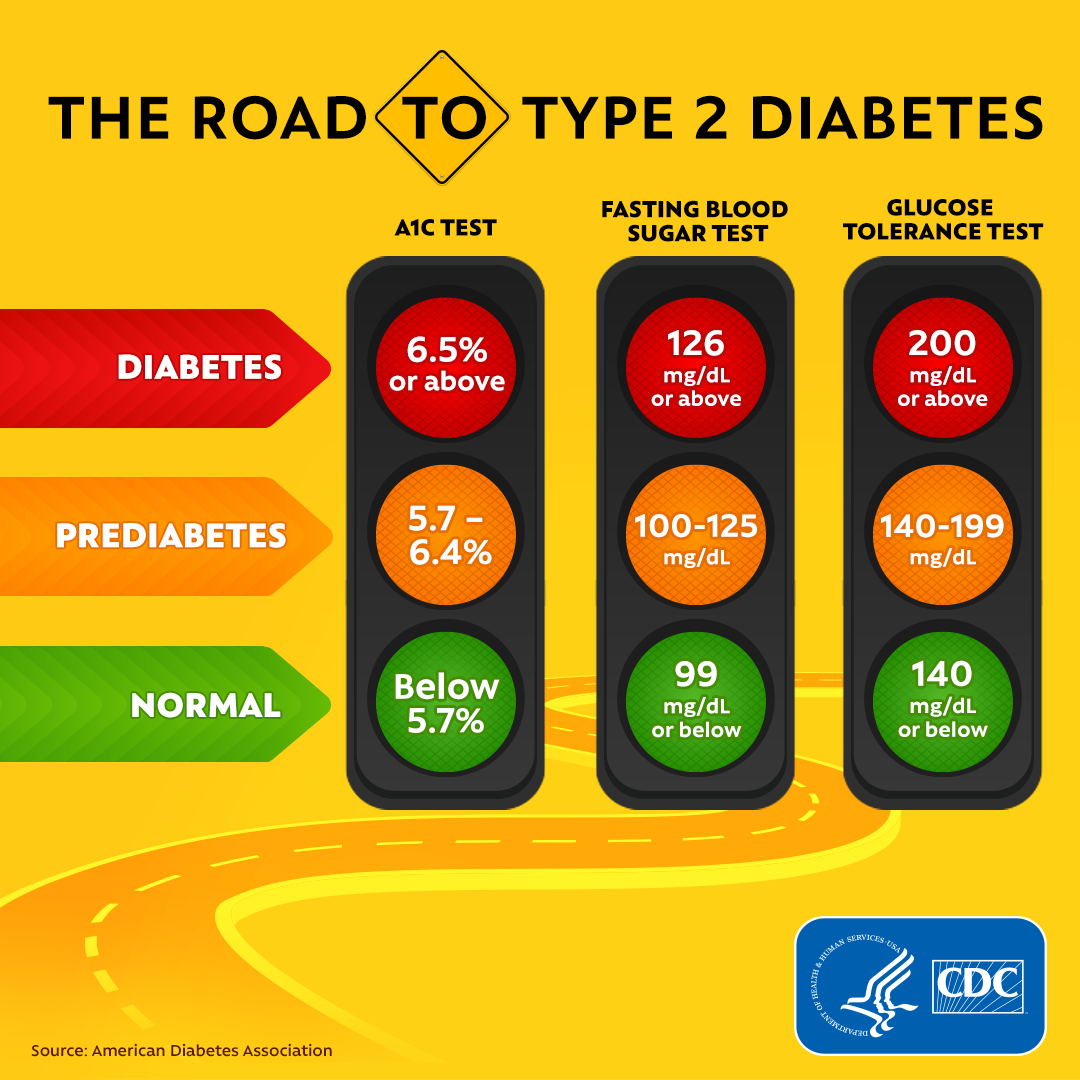 Obesity, prediabetes, and type 2 diabetes are interconnected health conditions that are becoming increasingly prevalent worldwide. Understanding the relationship between these conditions is crucial in order to prevent and manage them effectively.
Obesity: A Major Risk Factor
Obesity is a leading risk factor for both prediabetes and type 2 diabetes. When a person is obese, excess fat in the body can interfere with insulin action and lead to insulin resistance. This means that the body’s cells do not respond effectively to insulin, causing glucose to build up in the blood, leading to prediabetes or type 2 diabetes.
Prediabetes: A Warning Sign
Prediabetes is a condition in which blood glucose levels are higher than normal but not yet high enough to be diagnosed as type 2 diabetes. If left untreated, prediabetes can progress to type 2 diabetes within five years. It is estimated that over 84 million adults in the United States have prediabetes, and most of them are unaware of their condition.
Type 2 Diabetes: A Chronic Condition
Type 2 diabetes is a chronic condition in which the body either doesn’t produce enough insulin or becomes resistant to insulin. This leads to high blood glucose levels, which can have serious health consequences if not properly managed. Type 2 diabetes accounts for approximately 90% to 95% of all diagnosed cases of diabetes.
Effects on Health and Well-being
The impact of obesity, prediabetes, and type 2 diabetes goes beyond just blood glucose levels. These conditions can significantly increase the risk of heart disease, stroke, kidney disease, and blindness. Additionally, obesity and diabetes are associated with a higher likelihood of developing certain cancers and mental health disorders.
Prevention and Management
Preventing and managing obesity, prediabetes, and type 2 diabetes require a multifaceted approach that includes adopting a healthy lifestyle. This includes maintaining a balanced diet rich in fruits, vegetables, and whole grains, engaging in regular physical activity, managing stress levels, and getting adequate sleep.
If you have prediabetes or are at risk of developing type 2 diabetes, it is essential to work with healthcare professionals to create an individualized plan to prevent or manage the condition. This may involve monitoring blood glucose levels, taking prescribed medications, and making necessary lifestyle changes.
Gaining an understanding of the domino effect between obesity, prediabetes, and type 2 diabetes empowers individuals to take charge of their health. By addressing these conditions early on and making positive lifestyle changes, it is possible to prevent or delay the onset of type 2 diabetes and its associated complications.
What You Should Know About Gestational Diabetes - Diabetic Nation
Understanding Gestational Diabetes
 Gestational diabetes is a type of diabetes that occurs during pregnancy. It affects approximately 9% of pregnant women, and if not properly managed, it can have adverse effects on both the mother and the baby.
Risk Factors and Screening
Women who are overweight, have a family history of diabetes, or have had gestational diabetes in previous pregnancies are at an increased risk of developing gestational diabetes. It is recommended that all pregnant women be screened for gestational diabetes between 24 and 28 weeks of pregnancy.
Impact on Mother and Baby
Untreated or poorly managed gestational diabetes can increase the risk of complications during pregnancy and delivery. It can result in excessively large babies, known as macrosomia, which in turn can lead to difficulties during labor and delivery. Gestational diabetes also puts the mother at a higher risk of developing type 2 diabetes later in life.
For the baby, gestational diabetes can lead to increased fetal growth, which can cause birth injuries, such as shoulder dystocia. It also increases the risk of the baby developing low blood sugar levels, respiratory distress syndrome, and jaundice.
Managing Gestational Diabetes
Once diagnosed with gestational diabetes, it is important for pregnant women to work closely with their healthcare team to manage the condition effectively. This typically involves making dietary changes, engaging in regular physical activity, monitoring blood glucose levels, and sometimes using insulin or other medications as prescribed.
Regular prenatal check-ups and close monitoring of the baby’s growth and well-being are essential in ensuring a healthy pregnancy and delivery. After delivery, most women with gestational diabetes find that their blood glucose levels return to normal. However, it is important to continue regular follow-ups and have periodic screenings for type 2 diabetes in the future.
Conclusion
Gestational diabetes may only occur during pregnancy, but its effects can have lasting impacts on both the mother and the baby. By understanding the risks, undergoing necessary screenings, and following recommended management strategies, women can ensure a healthy pregnancy and reduce the potential long-term complications associated with gestational diabetes.
It is important to seek guidance from healthcare professionals, who can provide personalized advice and support to women throughout their pregnancy journey. Through education, awareness, and proactive management, the adverse effects of gestational diabetes can be minimized, resulting in a positive pregnancy experience for both mother and baby.
If you are searching about Blood glucose chart | معلومات طبية وصيدلانية | Pinterest | Blood you’ve visit to the right web. We have 5 Pictures about Blood glucose chart | معلومات طبية وصيدلانية | Pinterest | Blood like Blood glucose chart | معلومات طبية وصيدلانية | Pinterest | Blood, What You Should Know About Gestational Diabetes - Diabetic Nation and also Gestational Diabetes - Low Number At Night But High Fasting Number. Read more:
Blood Glucose Chart | معلومات طبية وصيدلانية | Pinterest | Blood
 www.pinterest.comglucose chart blood levels sugar level numbers normal diabetes test number fasting diabetic high results after know eating range serum
The Domino Effect - Obesity, Prediabetes, & Type 2 Diabetes
www.ndrha.orgdiabetes cdc type road blood prediabetes test infographics infographic know testing social insulin after obesity pdf management icon
How To Deal With Gestational Diabetes During Pregnancy | Top 10 Home
 www.top10homeremedies.comgestational gdm pemakanan affects kencing hamil mengandung glucose semasa manis jadual a1c sample maklumat quoracdn fs lawatan kesihatan keping punyer
Gestational Diabetes - Low Number At Night But High Fasting Number
 diabetestalk.netfasting diabetes gestational high levels number numbers diabetestalk low night but insulin
What You Should Know About Gestational Diabetes - Diabetic Nation
diabeticnation.comdiabetes gestational diabetic
Blood glucose chart. What you should know about gestational diabetes. Fasting diabetes gestational high levels number numbers diabetestalk low night but insulin